For years, the solar industry has assumed that a solar module’s nameplate rating was a conservative figure. In many cases, manufacturers even delivered modules that exceeded their rated output.
But independent testing suggests that the landscape has changed.
The CalLab PV Modules at Fraunhofer ISE in Germany—one of only five accredited photovoltaic module calibration laboratories worldwide—has evaluated more than 70,000 solar modules from manufacturers around the globe. Their long-term data reveals a significant industry shift: while solar modules historically tended to exceed their nameplate ratings, independently measured output has steadily declined since 2017. After averaging approximately 1.3% below manufacturers stated power in 2023, measurements improved only slightly to 1.2% below in 2024 before widening again to a median shortfall of approximately 1.4% in 2025.
A module manufacturing industry facing unprecedented oversupply, shrinking margins, unprofitability and relentless cost pressure has naturally looked for cost efficiencies wherever possible.
As projects are facing tighter economic hurdles and investors place greater emphasis on long-term asset value, the assurance that buyers have in the module output that they’re paying for becomes paramount. A one percent difference may seem insignificant on a single module, but across an entire project, it can represent a meaningful reduction in installed capacity, lifetime energy production and therefore revenue.
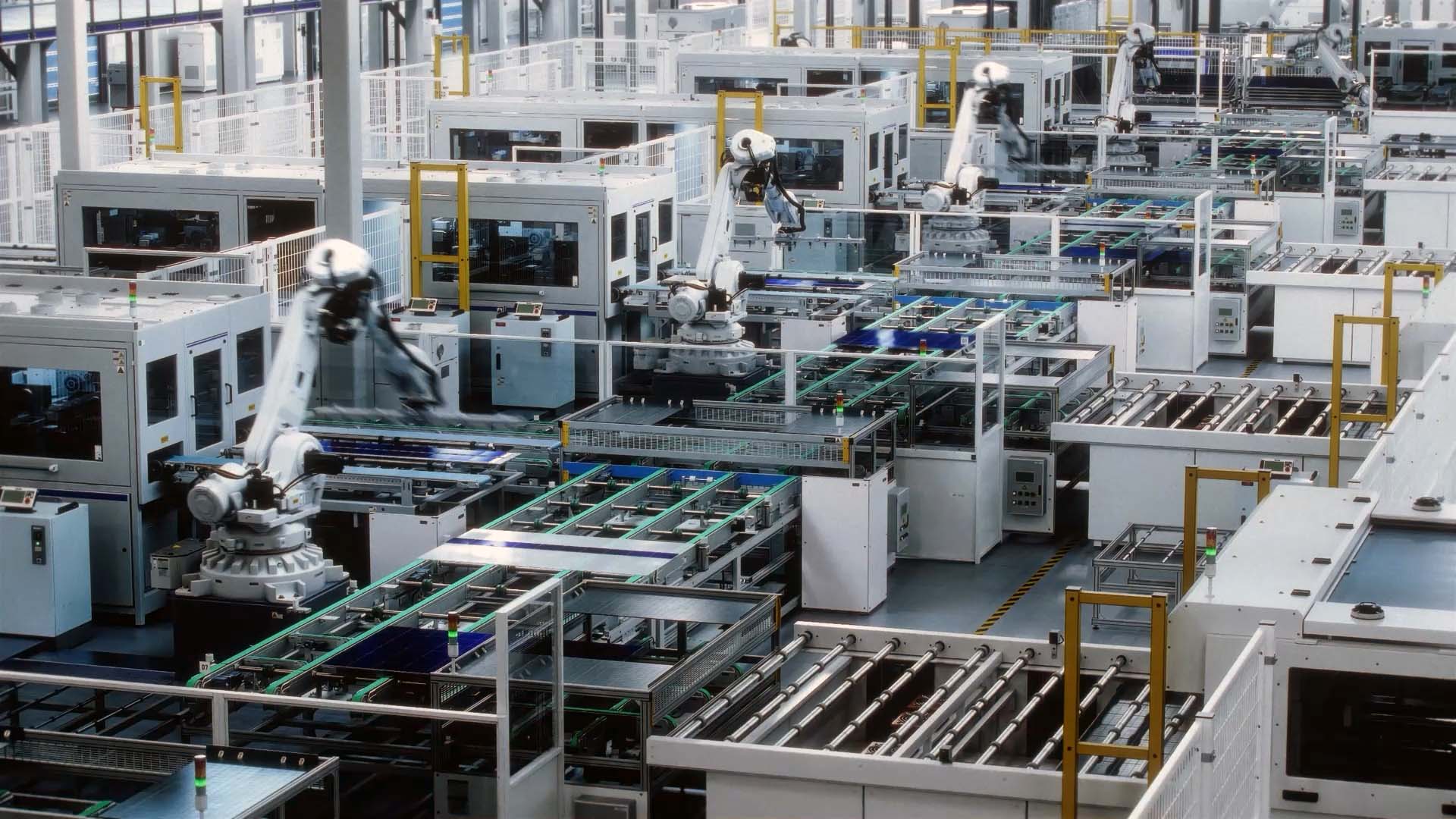
At BAUER Solar, this is precisely why every single module is individually flash tested before it leaves the factory. Every module is not only guaranteed to produce, but to meet or exceed its nameplate capacity. It’s a quality control philosophy that ensures that our customers receive the performance they’ve been promised—not simply a specification printed on a datasheet.
Because in today’s market, verified delivered power is no longer just a specification. It’s a competitive advantage.